Mountain Trekking Tips
- Home
- Mountain Trekking Tips
Mountain Trekking Tips
Best Time to Climb Kilimanjaro?
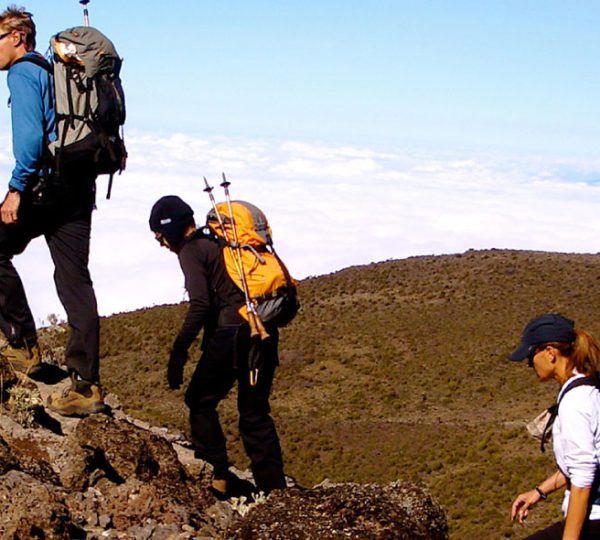
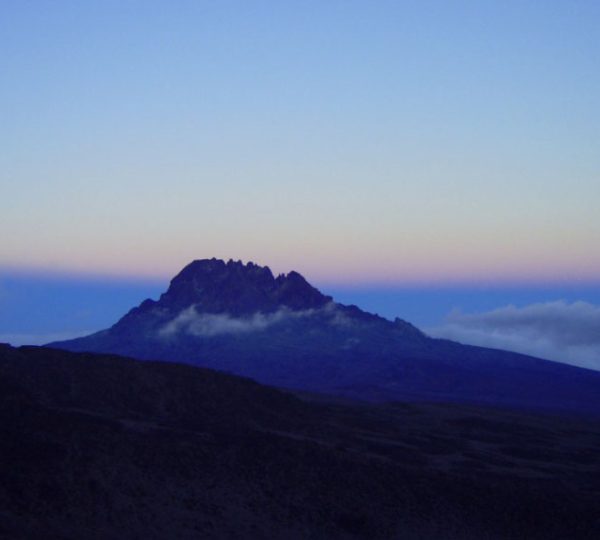
Mount Kilimanjaro can be climbed year-round, but not all months offer the same experience. The best time to climb is during the dry seasons, when weather conditions are more favorable, trails are safer, and views are simply breathtaking. These optimal climbing windows fall between January and early March and June and October. These months offer the clearest skies, stable conditions, and unforgettable summit experiences—making them the top choice for trekkers around the world.
Month-by-Month Breakdown
January to Early March – Bright Days, Crisp Views
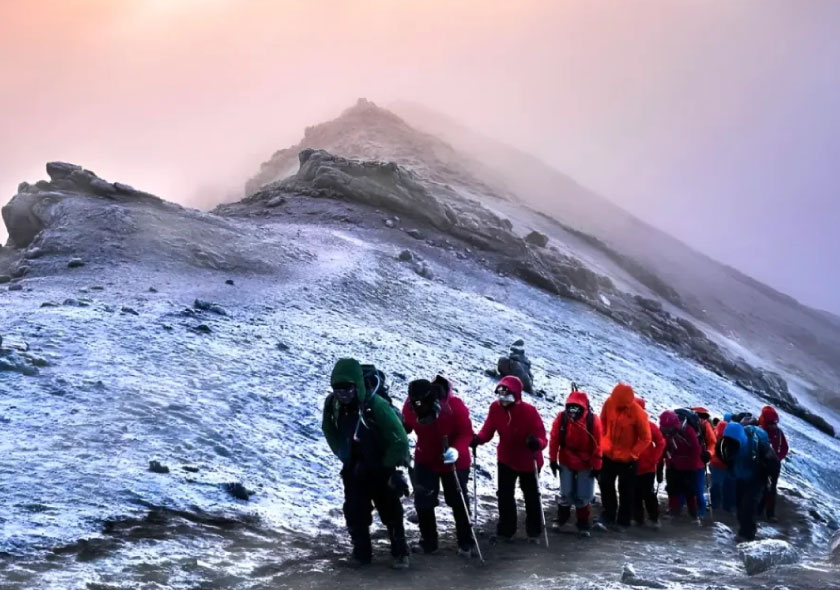
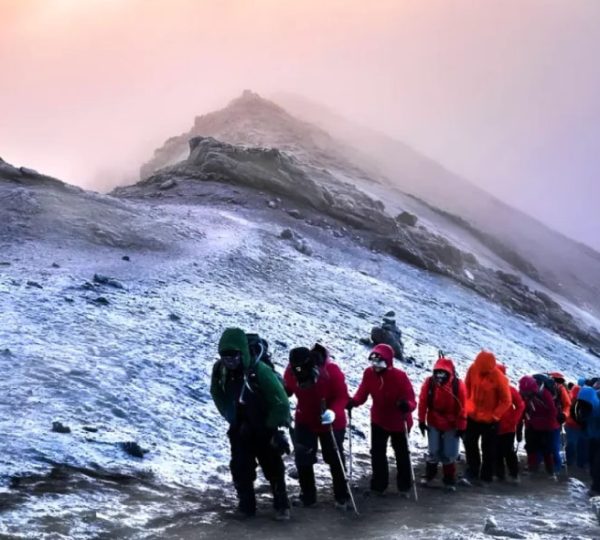
This is one of the best times to climb Kilimanjaro. Days are mostly dry and clear, with occasional snow near the summit—perfect for dramatic summit photos. Though considered part of the high season, these months are generally less crowded than the mid-year peak.
Best for: Trekkers seeking great visibility and fewer crowds.
Mid-March to May – Rainy Trails and Cloudy Skies
The long rainy season begins in mid-March and lasts through May. Trails become muddy, the forest slippery, and visibility poor due to heavy clouds. We typically avoid climbs during this period. However, experienced trekkers may still brave late March or late May, when the rains might temporarily ease.
Best for: Adventurous climbers with prior trekking experience and rain-ready gear.
June to September – Peak Season with Pristine Weather
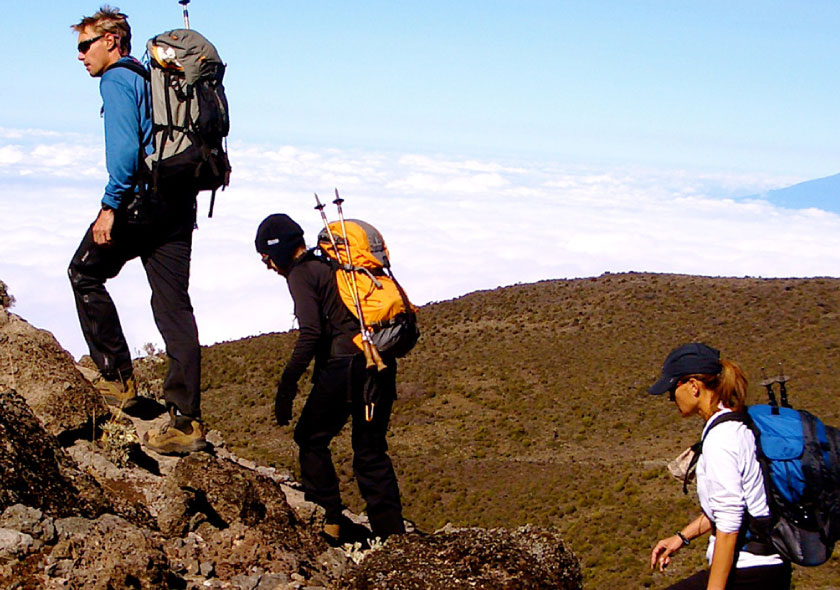
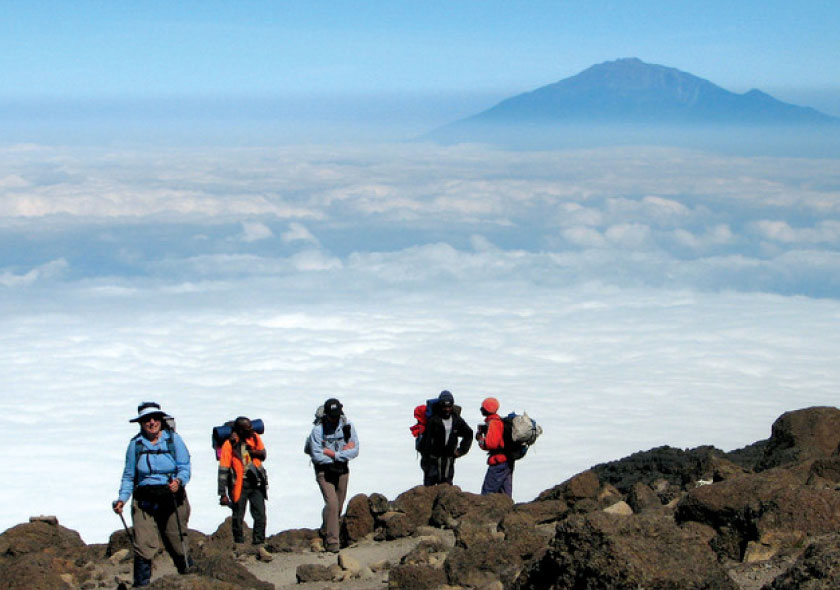
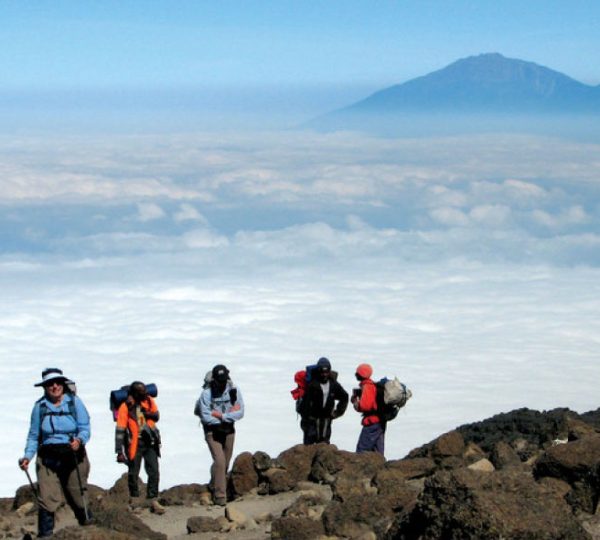
June marks the start of the main trekking season. July and August are the busiest months, with stable weather and excellent trail conditions. Expect dry days, chilly nights, and breathtaking panoramas. Campsites and popular routes, such as Machame and Marang, can become crowded, especially around the full moon.
Best for: Climbers looking for top-tier weather and don’t mind sharing the trail with others.
October – Calm Before the Short Rains
October still offers mostly dry conditions, though light afternoon showers may begin. It’s quieter than peak season but still favorable for a successful summit. Visibility is good, and trails are less congested.
Best for: Trekkers wanting great conditions with fewer fellow climbers.
November – Short Rains Return
November brings the short rainy season. Though the rain is often less intense than in April or May, it still impacts trail safety and visibility. The mountain is peaceful this month, and you can escape the crowds by choosing northern routes like Rongai or the Northern Circuit.
Best for: Experienced trekkers willing to face unpredictable weather for solitude on the mountain.
December – Variable but Viable
Late December sees a transition back to drier weather, making it possible to climb during the Christmas and New Year period. Trails can be slippery early in the month but typically improve toward the end.
Best for: Holiday adventurers and those seeking a festive summit.
Best Time to Climb Kilimanjaro?
Mount Kilimanjaro can be climbed year-round, but not all months offer the same experience. The best time to climb is during the dry seasons, when weather conditions are more favorable, trails are safer, and views are simply breathtaking. These optimal climbing windows fall between January and early March and June and October. These months offer the clearest skies, stable conditions, and unforgettable summit experiences—making them the top choice for trekkers around the world.
Month-by-Month Breakdown
January to Early March – Bright Days, Crisp Views
This is one of the best times to climb Kilimanjaro. Days are mostly dry and clear, with occasional snow near the summit—perfect for dramatic summit photos. Though considered part of the high season, these months are generally less crowded than the mid-year peak.
Best for: Trekkers seeking great visibility and fewer crowds.
Mid-March to May – Rainy Trails and Cloudy Skies
The long rainy season begins in mid-March and lasts through May. Trails become muddy, the forest slippery, and visibility poor due to heavy clouds. We typically avoid climbs during this period. However, experienced trekkers may still brave late March or late May, when the rains might temporarily ease.
Best for: Adventurous climbers with prior trekking experience and rain-ready gear.
June to September – Peak Season with Pristine Weather
June marks the start of the main trekking season. July and August are the busiest months, with stable weather and excellent trail conditions. Expect dry days, chilly nights, and breathtaking panoramas. Campsites and popular routes, such as Machame and Marang, can become crowded, especially around the full moon.
Best for: Climbers looking for top-tier weather and don’t mind sharing the trail with others.
October – Calm Before the Short Rains
October still offers mostly dry conditions, though light afternoon showers may begin. It’s quieter than peak season but still favorable for a successful summit. Visibility is good, and trails are less congested.
Best for: Trekkers wanting great conditions with fewer fellow climbers.
November – Short Rains Return
November brings the short rainy season. Though the rain is often less intense than in April or May, it still impacts trail safety and visibility. The mountain is peaceful this month, and you can escape the crowds by choosing northern routes like Rongai or the Northern Circuit.
Best for: Experienced trekkers willing to face unpredictable weather for solitude on the mountain.
December – Variable but Viable
Late December sees a transition back to drier weather, making it possible to climb during the Christmas and New Year period. Trails can be slippery early in the month but typically improve toward the end.
Best for: Holiday adventurers and those seeking a festive summit.